
Ancient Eretria is one of the most important archaeological sites in Evia and a fascinating destination for anyone interested in ancient Greek history. Once a powerful city-state, Eretria played a major role in politics, trade, and culture during antiquity, leaving behind impressive remains that still tell its story today.
Set close to the modern town of Eretria, the site is easy to explore and offers a calm, open setting where history feels accessible rather than overwhelming. Walking among the ruins provides a vivid sense of daily life in ancient Greece, from public spaces and religious buildings to entertainment and art.
Eretria was a thriving centre as early as the 8th century BC and became known for its maritime power and cultural achievements. The city was involved in key historical events, including conflicts with neighbouring city-states and participation in wider Greek affairs.
Despite periods of destruction and rebuilding, the city continued to develop, leaving behind layers of history that archaeologists continue to uncover. These discoveries have helped shape our understanding of ancient urban life and architecture.
The remains spread across a large, well-organised area that allows visitors to explore at a comfortable pace. Highlights include the ancient theatre, one of the earliest stone theatres in Greece, which once hosted performances and public gatherings.
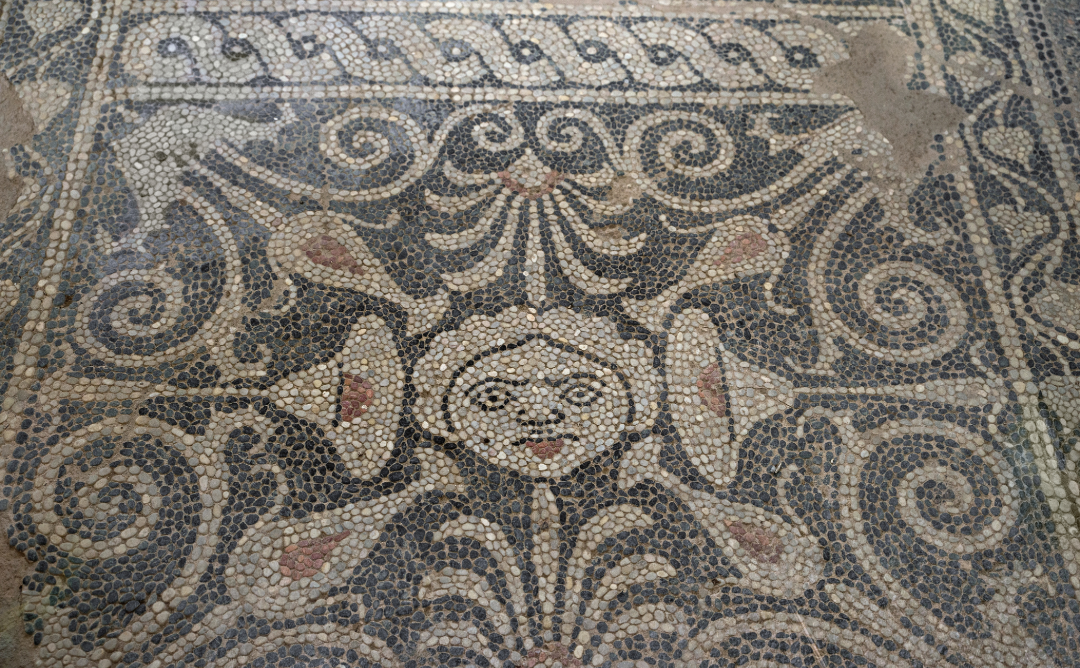
Other notable features include temples, residential areas, and beautifully preserved mosaic floors that give insight into the artistic tastes and craftsmanship of the time. Informational signage throughout the site helps bring these ruins to life.
Just steps from the ruins, the Archaeological Museum of Eretria complements the outdoor visit perfectly. Inside, you’ll find sculptures, pottery, inscriptions, and artefacts uncovered during excavations, providing context and depth to what you see outside.
The combination of open-air exploration and museum displays makes this a rewarding and educational experience for visitors of all ages.
Spring and autumn are ideal for exploring the site, offering pleasant temperatures and fewer crowds. Summer visits are also popular, but early morning or late afternoon is recommended to avoid the midday heat.
A visit here can easily be combined with time in the modern town, where cafés, beaches, and waterfront walks await. Evia offers a wide variety of landscapes and experiences beyond the archaeological site.
For more inspiration, explore things to do in Evia and plan a full day or weekend around your visit.
Ancient Eretria is located near the modern town of Eretria, on the island of Evia.
Most visitors spend 1.5–3 hours exploring the site and museum at a relaxed pace.
Yes — the open layout and clear paths make it accessible and educational for families with older children.
Yes — the Archaeological Museum of Eretria is located next to the ruins and is highly recommended.
Ancient Eretria is situated on the west coast of Evia, close to the modern town of Eretria and directly opposite mainland Greece. Its location makes it one of the most accessible archaeological sites on the island.
Eretria is easily reached from Athens via road and ferry connections, making the site a popular day trip or weekend destination. Parking is available nearby, and the surrounding area offers restaurants, cafés, and seaside walks.
Many visitors combine the archaeological site with nearby highlights such as Eretria Beach for a relaxing balance of culture and leisure.
For official information and heritage guidance, you can also refer to the Visit Greece – Evia page.


One of the lesser known regions of Greece, Eastern Macedonia and Thrace has many attractions that make it an appealing destination for a holiday.