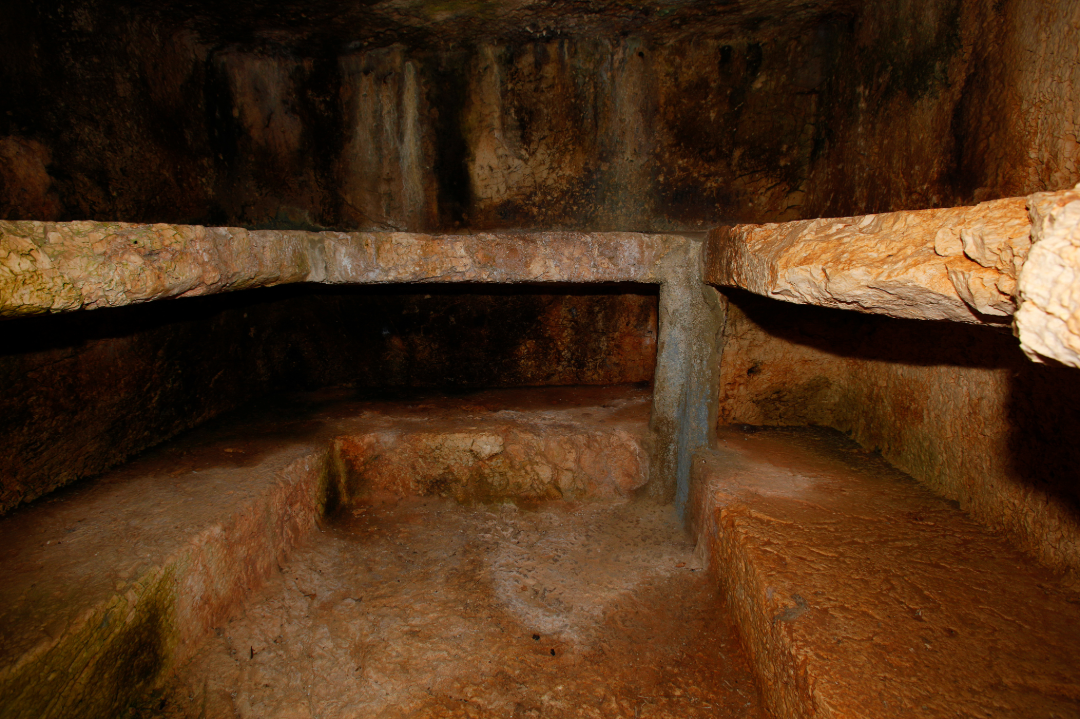


The Lycian Tomb Kastellorizo is one of the most remarkable and iconic monuments on the island — a beautifully preserved rock-carved tomb that dates back to the 4th century BC. Overlooking the sea from its dramatic position on a high promontory, this ancient tomb is a powerful reminder of the island’s deep historical connections with Lycia, the region of Asia Minor once home to the Lycians, whose architecture and funerary customs strongly influenced this impressive structure.
Carved directly into the vertical face of the rock, the Lycian Tomb Kastellorizo features a distinctive temple-like façade with Ionic architectural elements. Its design is elegant yet simple, resembling the grand funerary monuments found across ancient Lycia. The Lycians were known for building ornate cliff tombs to honour their dead, often placing them high above the sea to symbolise their journey to the afterlife. This tomb echoes those traditions and stands today as one of Kastellorizo’s most photographed heritage sites.
The tomb’s construction reflects the cultural influences that shaped Kastellorizo during antiquity. Although the island belonged to various civilisations over the centuries, this tomb highlights the important period when Lycian and Greek cultures interacted closely. The Lycians worshipped Apollo Lykeios (“Apollo the Wolf”), and because of this, ancient writers sometimes referred to them as the “wolf people.” The tomb’s refined architecture and coastal placement follow Lycian customs, making it a rare example of Lycian-style funerary art found outside the Lycian homeland.
Visitors today can admire the craftsmanship of the façade, which includes two elegant Ionic columns, a triangular pediment and a recessed doorway that once sealed the burial chamber. While the interior is now empty, its historical significance and location make it a fascinating stop for anyone exploring Kastellorizo’s ancient past.
The walk to the Lycian Tomb Kastellorizo is a highlight in itself. The tomb is located on a rocky headland between Mandraki and the lighthouse, and the path leading to it follows a beautiful seaside route with stunning coastal views. The walk is suitable for most visitors, though there are approximately 50 stone steps to climb before reaching the tomb’s entrance.
Along the way, you’ll enjoy breathtaking views of the sea, traditional houses and the rugged landscape that surrounds this small but enchanting island. The tomb’s elevated position provides incredible photo opportunities, especially at sunrise or late afternoon when the light casts warm shadows across the cliffs.
After visiting the tomb, many travellers continue their walk along the coastal path, exploring the surrounding area or returning to Mandraki to enjoy a meal or drink at the waterfront cafés. The combination of history, nature and gentle walking makes the Lycian Tomb one of the must-see attractions on Kastellorizo.
For general information about Greece’s archaeological sites and cultural heritage, you may also find useful resources on the official tourism site:
Greek National Tourism Organisation.
How old is the Lycian Tomb?
The tomb dates back to the 4th century BC and reflects ancient Lycian funerary architecture.
Is the Lycian Tomb easy to reach?
Yes, it is accessible via a seaside walking path with around 50 steps leading to the entrance.
Does the tomb have an interior chamber?
Yes, although it is now empty, the chamber once held ancient burials.
Where is the Lycian Tomb located?
It sits on a rocky promontory between Mandraki and the lighthouse, overlooking the sea.
The Lycian Tomb is located on a rocky promontory near Megisti (Kastellorizo Town), positioned between Mandraki and the island’s lighthouse. It is easily reached by following the scenic seaside path that connects the two areas. Visitors must climb approximately 50 stone steps to reach the tomb’s entrance.
The site offers outstanding sea views and is a short walk from Mandraki’s harbourfront cafés and traditional houses. For more things to see and do in Kastellorizo, click here.


One of the lesser known regions of Greece, Eastern Macedonia and Thrace has many attractions that make it an appealing destination for a holiday.